

Thermal Conductivity Testing
View More
Redefining Insulation Technology


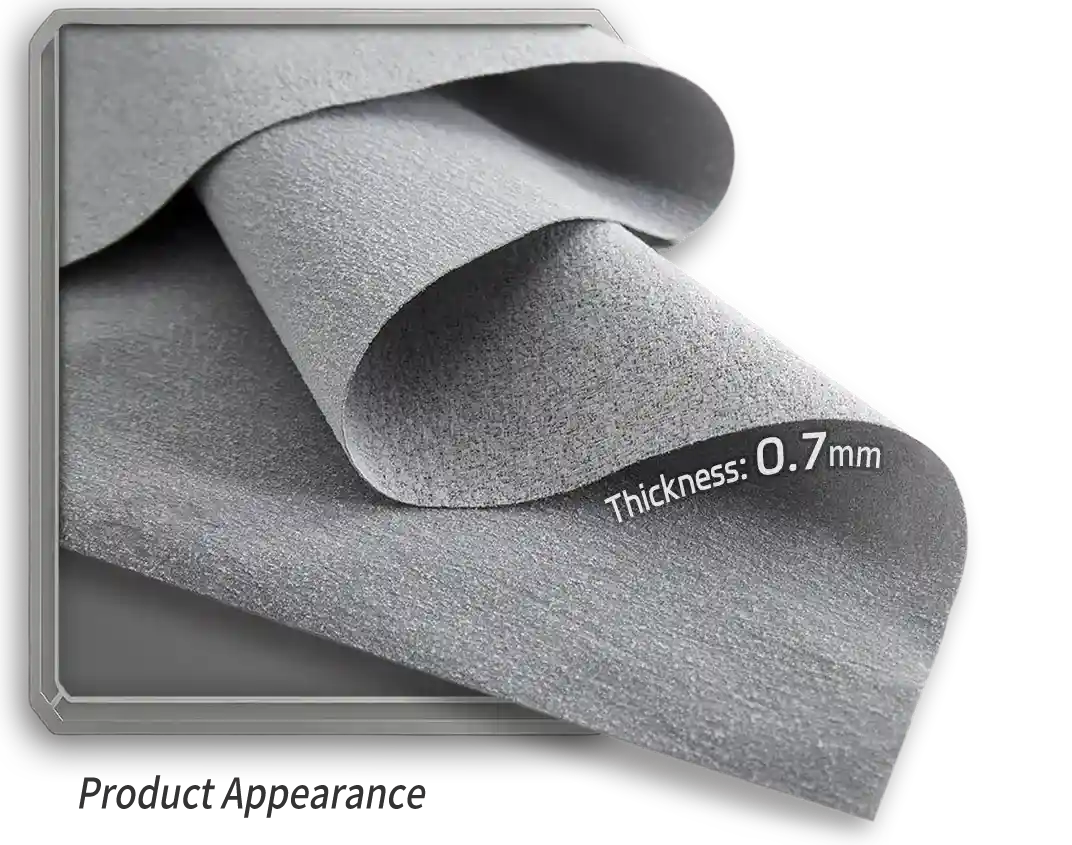
Y-Warm is a new-generation thermal insulation material that delivers highly effective insulation in an ultra-thin form.
At just 0.7 mm, a single layer can provide a perceived warmth increase of approximately 10°C under specified test conditions, while reducing reliance on the thickness and bulk traditionally associated with thermal insulation.
With an operating temperature range of −50°C to 150°C, the material provides effective thermal insulation across apparel, footwear, outdoor gear, and a wide range of industrial applications.

Engineered with hydrophilic functionality, Y-Warm effectively absorbs and manages moisture while maintaining its thermal insulation performance.
According to GB/T 21655.1-2023, the material achieved a water absorption rate of 280% before washing and 279% after washing, demonstrating high and durable absorption performance.
In apparel and footwear applications, this capability helps reduce moisture accumulation on the body-facing side and support comfort during wear.

Y-Warm combines high moisture absorption with rapid drying.
In comparative testing, the material reached a dry state in approximately 60 minutes, despite absorbing more moisture than the comparison fabrics.
Combined with ultra-thin, lightweight thermal insulation, this quick-drying capability helps reduce moisture accumulation and support comfort during extended wear.
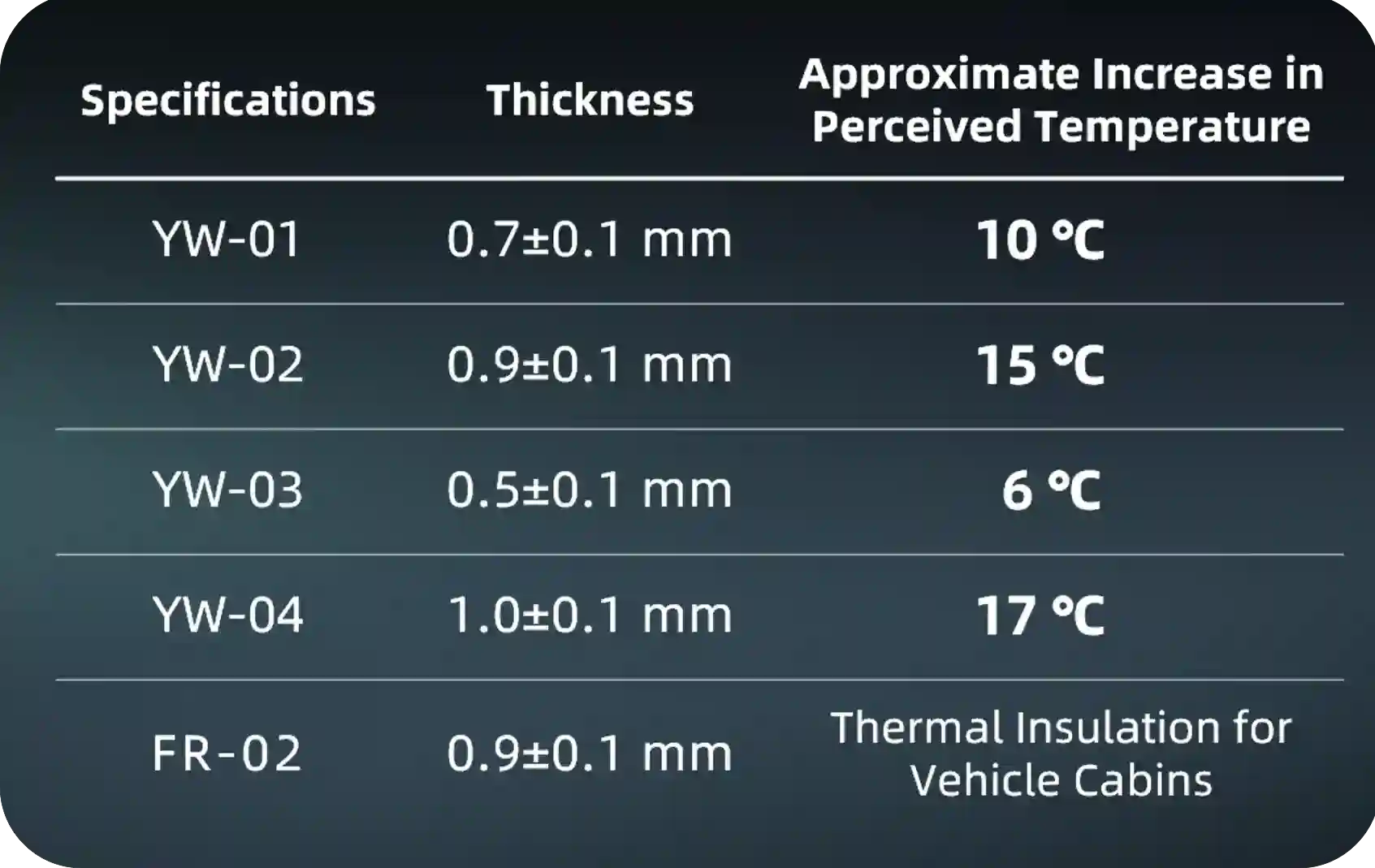
● YW-01
Lightweight, Thin & Highly Insulating
For outerwear, gloves, and other outdoor products.
● YW-02
Higher Insulation, Firmer Hand Feel
For footwear, headwear, insulated bags, and other thermal applications.
● YW-03
Softer Hand Feel, Lower Insulation
For use with YW-01 in cuffs and other flexible garment areas.
● YW-04
Enhanced Strength & Insulation
Higher warp and weft strength with enhanced thermal insulation.
● FR-02
Flame-Retardant
For automotive interior applications.
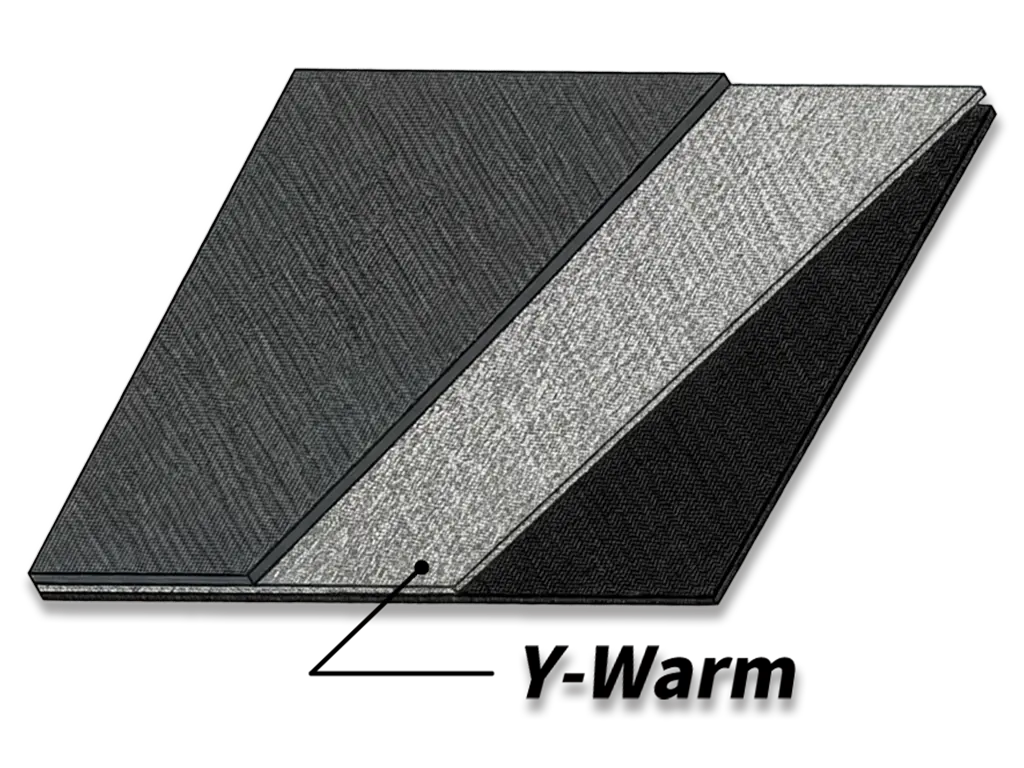
Y-Warm is used within the product structure to provide effective thermal insulation.
Place Y-Warm between the outer fabric and lining. Secure each cut panel by stitching around its perimeter.
Outer Fabric + Y-Warm + Lining
For non-apparel applications, Y-Warm can be laminated or combined with other materials according to the product structure and performance requirements. Select an appropriate processing method to preserve Y-Warm’s functional properties.
Applications

More Possibilities...
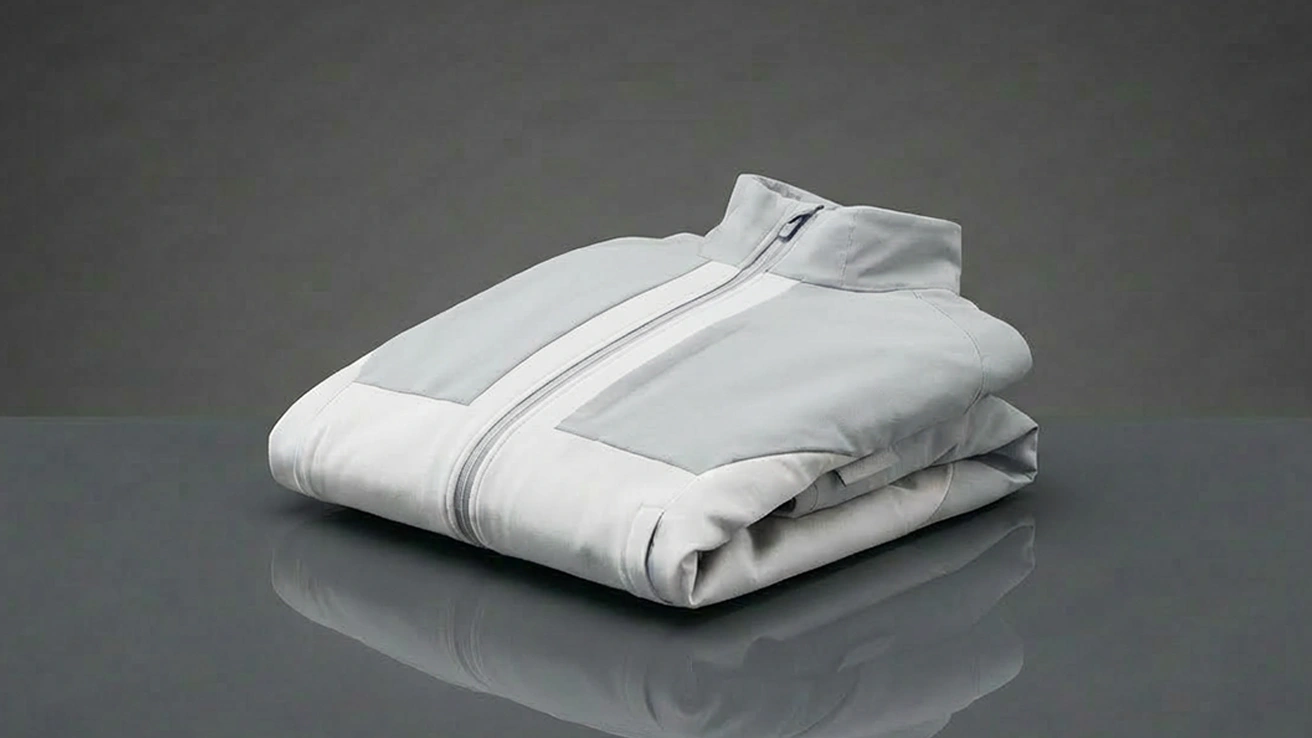
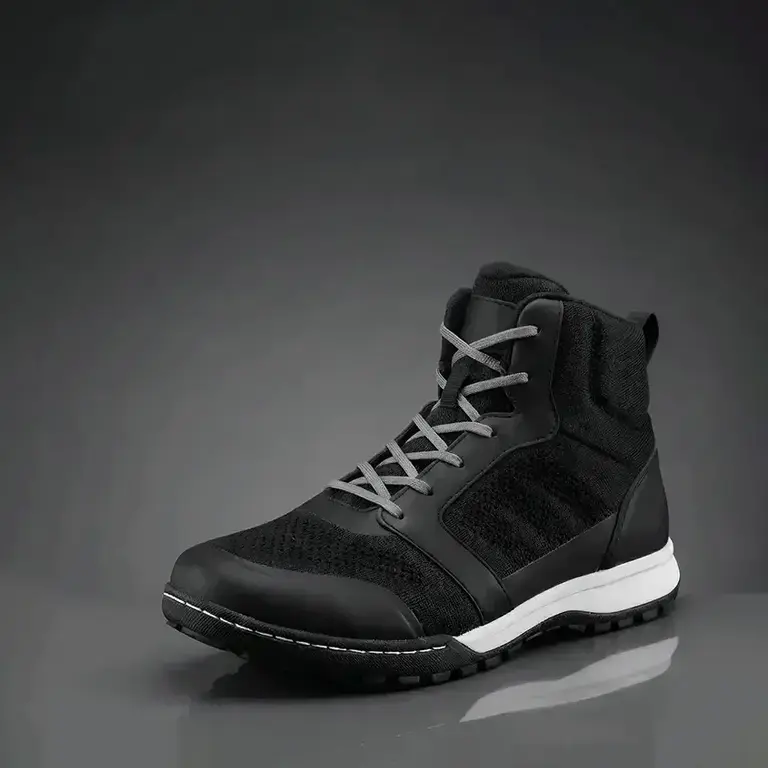
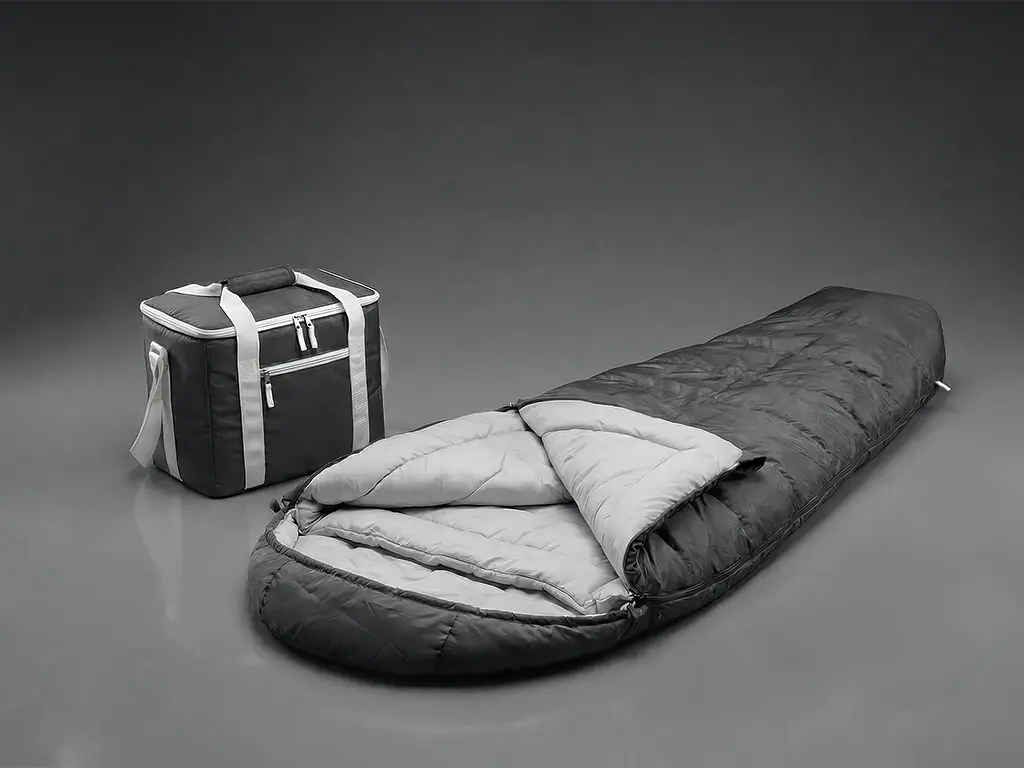
More Possibilities...
Technical Overview
At the core of Y-Warm technology is a “flexible” structure of micrometer-sized closed cells formed by nanometer-thick polymer cell walls.
In material 1 mm thick, each square centimeter contains more than 10,000 individual micrometer-sized closed cells. By controlling heat transfer at the microscopic scale, this honeycomb-like structure exhibits extremely low thermal conductivity comparable to that of aerogels.
This represents a shift in the approach to thermal insulation—from relying on material loft to achieving highly effective insulation through microstructural design.

Apparel Products
Laminated Products


















For thousands of years, warmth has largely depended on one principle: using loft to trap air and limit its movement.
From grasses, leaves, and natural fibers to fur, down, and modern synthetic insulation, materials have evolved — but the fundamental approach has remained largely unchanged.
Y-Warm takes a different approach.
By engineering thermal insulation at the microstructural level, Y-Warm achieves high thermal efficiency in an ultra-thin, lightweight form, thereby reducing reliance on traditional loft-based insulation materials.
From adding more material to engineering more efficient structures.
This shift represents a new direction in thermal insulation technology — and a step forward in the evolution of advanced thermal materials.
Redefining Insulation Technology
Y-Warm is a new-generation thermal insulation material that delivers highly effective insulation in an ultra-thin form.
At just 0.7 mm, a single layer can provide a perceived warmth increase of approximately 10°C under specified test conditions, while reducing reliance on the thickness and bulk traditionally associated with thermal insulation.
With an operating temperature range of −50°C to 150°C, the material provides effective thermal insulation across apparel, footwear, outdoor gear, and a wide range of industrial applications.
Engineered with hydrophilic functionality, Y-Warm effectively absorbs and manages moisture while maintaining its thermal insulation performance.
According to GB/T 21655.1-2023, the material achieved a water absorption rate of 280% before washing and 279% after washing, demonstrating high and durable absorption performance.
In apparel and footwear applications, this capability helps reduce moisture accumulation on the body-facing side and support comfort during wear.
For more product models, please refer to
Products and Principles
Y-Warm combines high moisture absorption with rapid drying.
In comparative testing, the material reached a dry state in approximately 60 minutes, despite absorbing more moisture than the comparison fabrics.
Combined with ultra-thin, lightweight thermal insulation, this quick-drying capability helps reduce moisture accumulation and support comfort during extended wear.
● YW-01
Lightweight, Thin & Highly Insulating
For outerwear, gloves, and other outdoor products.
● YW-02
Higher Insulation, Firmer Hand Feel
For footwear, headwear, insulated bags, and other thermal applications.
● YW-03
Softer Hand Feel, Lower Insulation
For use with YW-01 in cuffs and other flexible garment areas.
● YW-04
Enhanced Strength & Insulation
Higher warp and weft strength with enhanced thermal insulation.
● FR-02
Flame-Retardant
For automotive interior applications.
Y-Warm is used within the product structure to provide effective thermal insulation.
Place Y-Warm between the outer fabric and lining. Secure each cut panel by stitching around its perimeter.
Outer Fabric + Y-Warm + Lining
For non-apparel applications, Y-Warm can be laminated or combined with other materials according to the product structure and performance requirements. Select an appropriate processing method to preserve Y-Warm’s functional properties.
Technical Overview
At the core of Y-Warm technology is a “flexible” structure of micrometer-sized closed cells formed by nanometer-thick polymer cell walls.
In material 1 mm thick, each square centimeter contains more than 10,000 individual micrometer-sized closed cells. By controlling heat transfer at the microscopic scale, this honeycomb-like structure exhibits extremely low thermal conductivity comparable to that of aerogels.
This represents a shift in the approach to thermal insulation—from relying on material loft to achieving highly effective insulation through microstructural design.
The world’s first “flexible” thermal insulation material featuring micrometer-sized closed cells defined by nanometer-thick polymer walls, designed to address the inherent brittleness of silica aerogels.
The world’s first flexible closed-cell thermal insulation material suitable for thermal insulation in winter clothing and footwear.
The world’s first flexible closed-cell thermal insulation material to combine extremely low thermal conductivity, moisture vapor permeability, and quick-drying performance in a single material.
1.Avoid applying pressure at temperatures above 100°C, as this may impair pore recovery.
2.Avoid dense quilting, as it may increase material stiffness and affect garment hand feel.
1. Avoid applying pressure at temperatures above 100°C, as this may impair pore recovery; higher temperatures and pressures may cause greater performance degradation.
2. Avoid full-coverage adhesive lamination, as it may significantly reduce moisture vapor permeability.
For thousands of years, warmth has largely depended on one principle: using loft to trap air and limit its movement.
From grasses, leaves, and natural fibers to fur, down, and modern synthetic insulation, materials have evolved — but the fundamental approach has remained largely unchanged.
Y-Warm takes a different approach.
By engineering thermal insulation at the microstructural level, Y-Warm achieves high thermal efficiency in an ultra-thin, lightweight form, thereby reducing reliance on traditional loft-based insulation materials.
From adding more material to engineering more efficient structures.
This shift represents a new direction in thermal insulation technology — and a step forward in the evolution of advanced thermal materials.