



Microstructure and Thermal Insulation
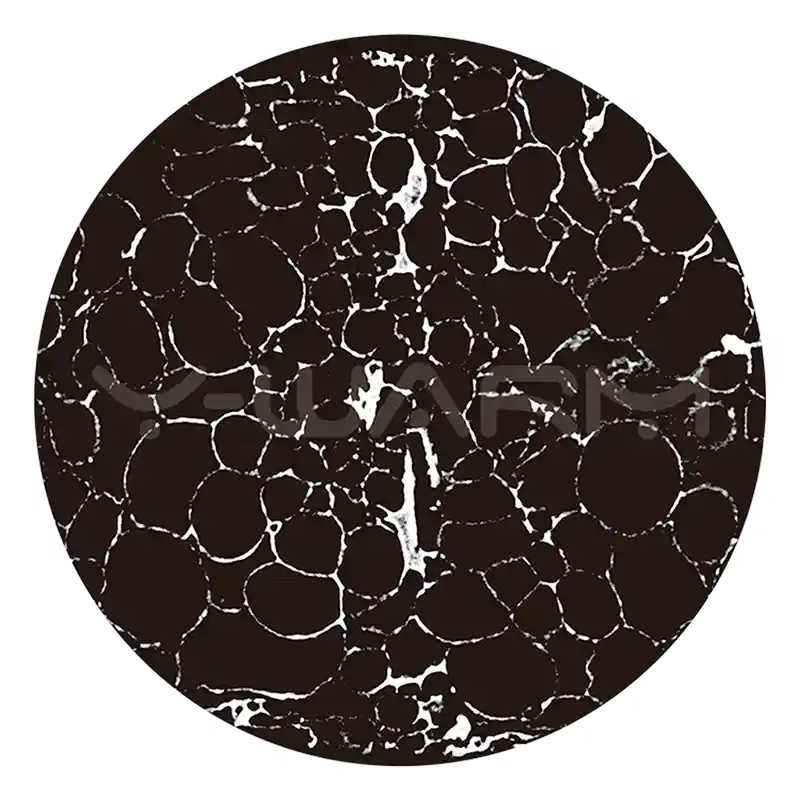
X-ray nano-CT reveals the three-dimensional internal structure of Y-Warm using approximately 3,000 cross-sectional slices, visualized across the XY, XZ, and YZ planes.
The analysis shows discrete, micrometer-scale closed cells separated by nanometer-scale polymer cell walls.
Cell wall thickness: 20–280 nm
Cell diameter: 30–190 μm
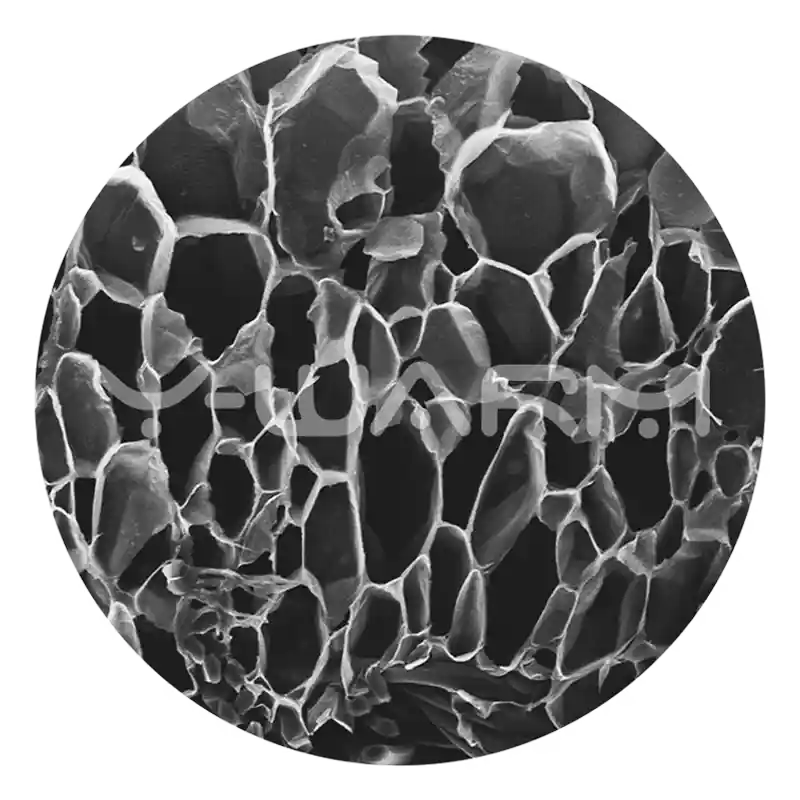
The SEM cross-section reveals Y-Warm’s honeycomb-like cellular morphology and thin polymer walls.
This structure plays a central role in thermal insulation by restricting gas movement and limiting heat transfer.

Y-Warm has a fabric-like appearance, yet it is not a conventional textile. Thin and sheet-like, it may also resemble paper, but its characteristics are distinctly different.
Its surface has a slightly rough texture and feels warm to the touch. Even after several days in a test chamber at −60°C, Y-Warm does not feel icy upon contact with the skin.
It can also absorb several times its own weight in water while remaining afloat.
Functional Performance

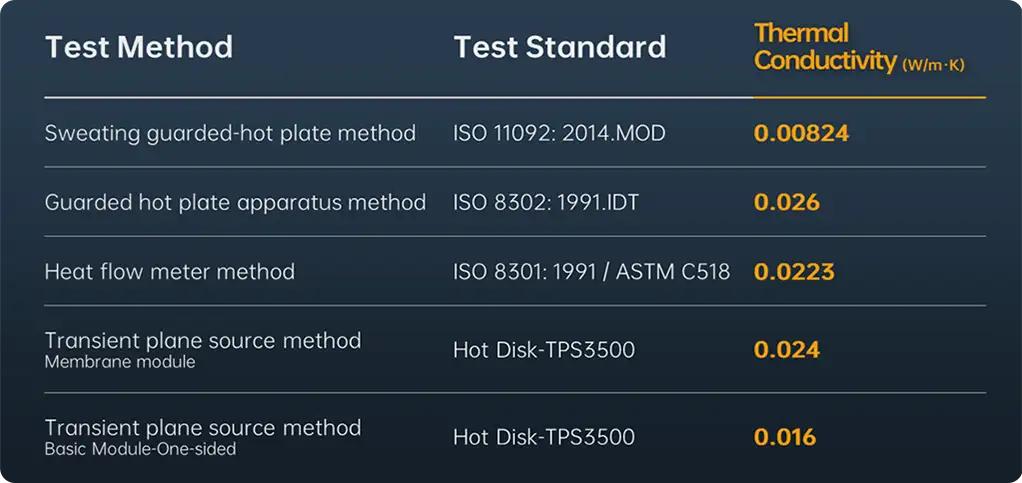
Due to Y-Warm’s minimal thickness and textured surface, thermal conductivity measurements can be particularly sensitive to the test method, sample configuration, thermal contact, and measurement conditions.
The results presented in the table were obtained using multiple standardized test methods and under different test conditions, providing a comparative reference for evaluating thermal conductivity.
Despite variations between methods, the measured values consistently fall within a low thermal conductivity range, demonstrating the material’s ability to limit heat transfer at minimal thickness.

Heat naturally flows from areas of higher temperature to areas of lower temperature. Y-Warm limits this heat transfer through its low thermal conductivity.
Low thermal conductivity enables the material to reduce heat loss from the human body at minimal thickness, allowing thermal insulation layers to be made thinner and lighter.

An antibacterial agent that meets applicable textile safety and environmental requirements is incorporated into the polymer system during material formation.
This integration helps retain the antibacterial functionality within Y-Warm, supporting durable performance even after repeated washing.
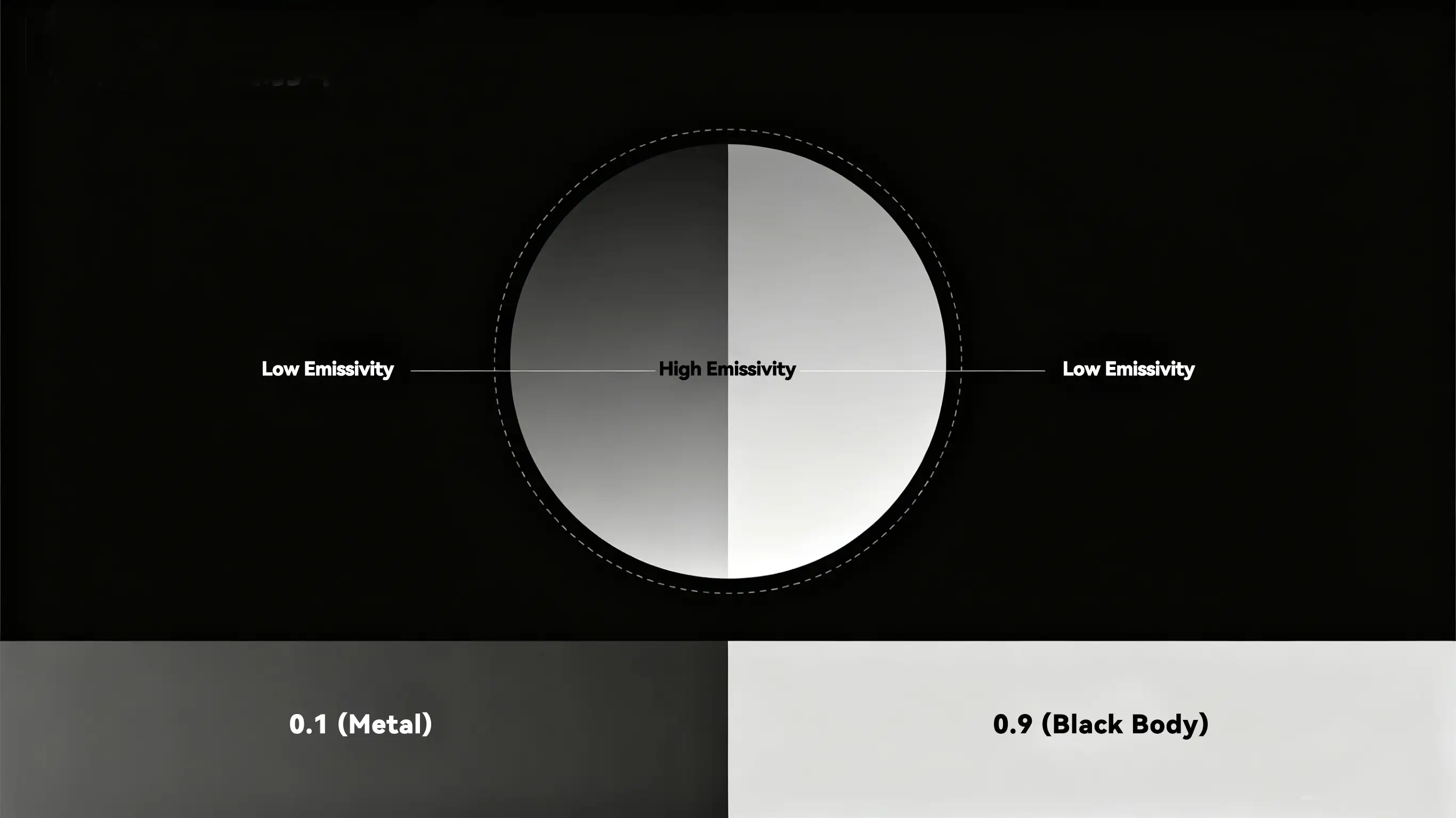
Y-Warm exhibits a far-infrared emissivity of 0.91, as measured in accordance with GB/T 30127-2013.
Its infrared radiative properties are influenced by both the material composition and surface characteristics. Together with its low thermal conductivity and closed-cell structure, this radiative property contributes to Y-Warm’s overall thermal performance.
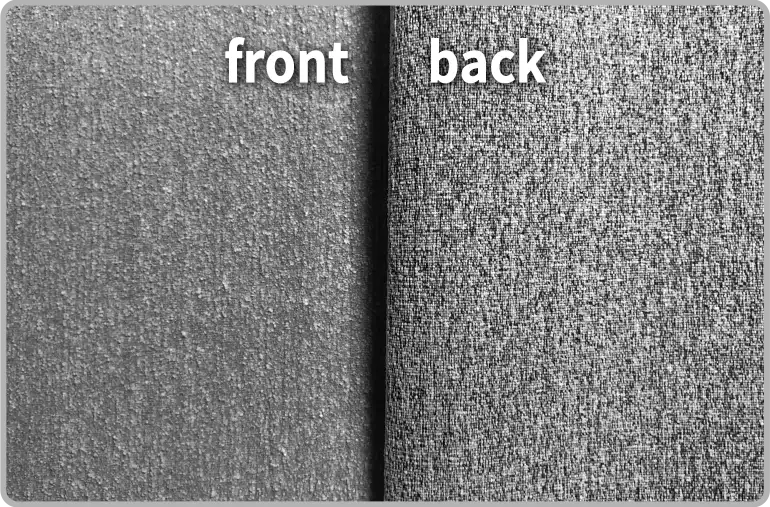
Y-Warm has two distinct surface textures: the front is slightly rough, while the back has a flatter, more even surface.
Thermal insulation performance is not affected by surface orientation. Either side can face outward according to product design and application requirements.
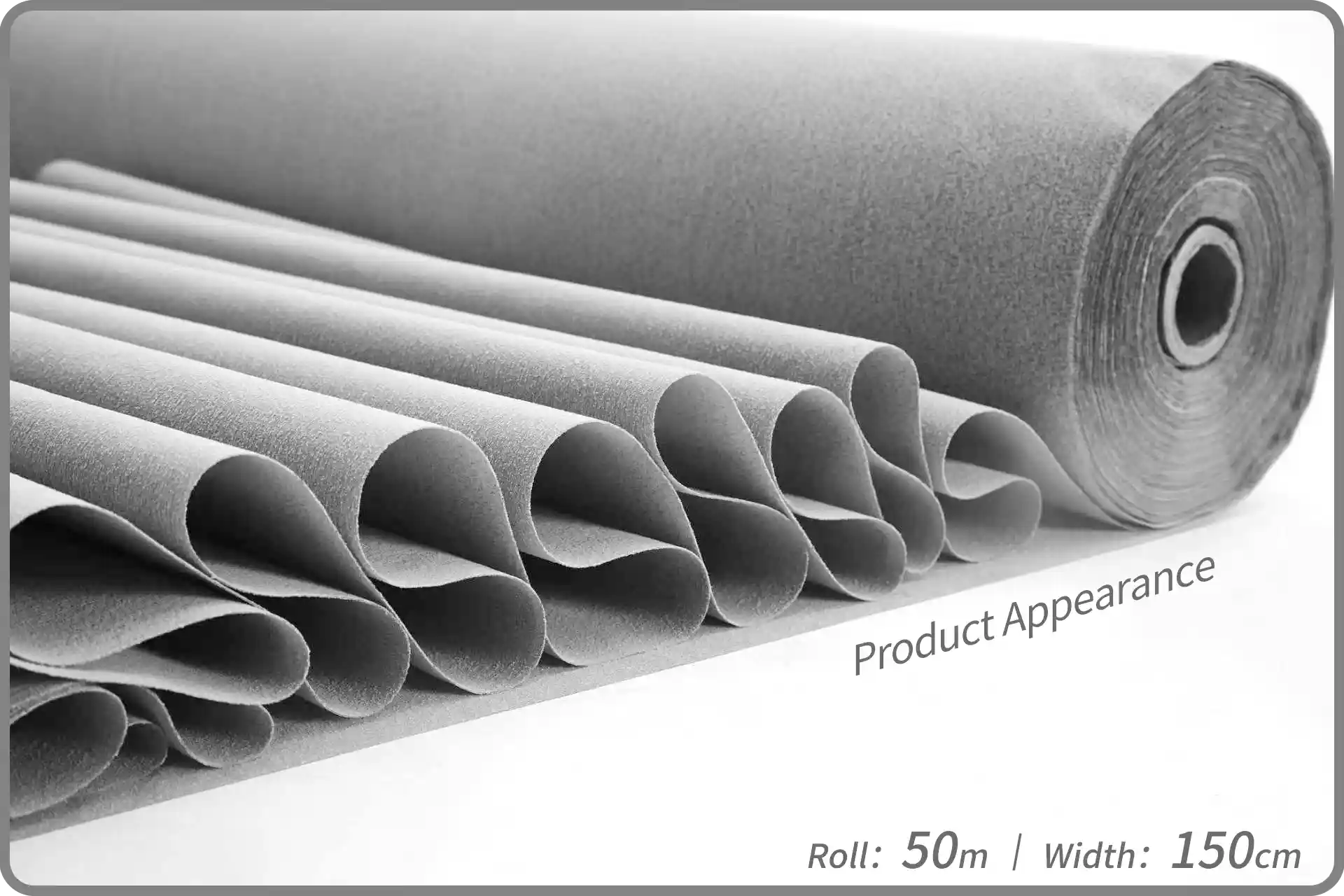
Width: 150 cm
Roll Length: 50 m
Packing Quantity: 2 rolls per carton (100 m total)
Inner Packaging: Plastic film
Outer Packaging: Cardboard carton

Y-Warm combines flexibility with a relatively crisp hand feel. It is primarily designed for use as a thermal insulation layer in winter jackets and other cold-weather products.
The material has limited stretch in both the warp and weft directions and is therefore not recommended for use with highly elastic fabrics. It is better suited as a thermal insulation layer in products made with woven fabrics.
After bending or folding, the material demonstrates good shape recovery.

Y-Warm has limited stretch in both the warp and weft directions.
Where greater stretch is required, the material can be cut on the bias.

Even a 50-meter roll of Y-Warm can be lifted and carried with one hand.
Its low weight helps keep cold-weather clothing light, while its ultra-thin profile fits into the limited space available for insulation in gloves and footwear.
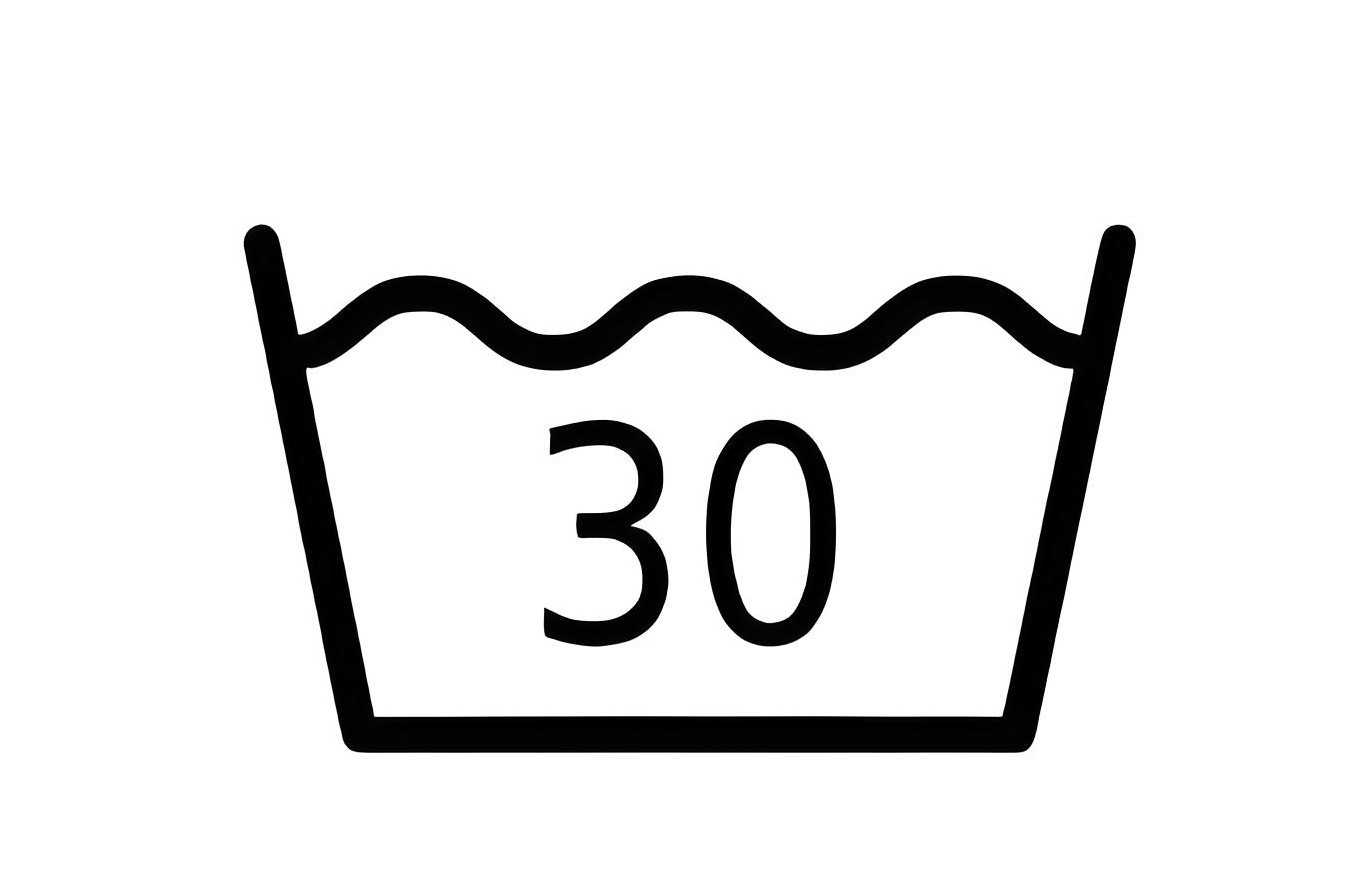
Wash in cold water

Machine washable
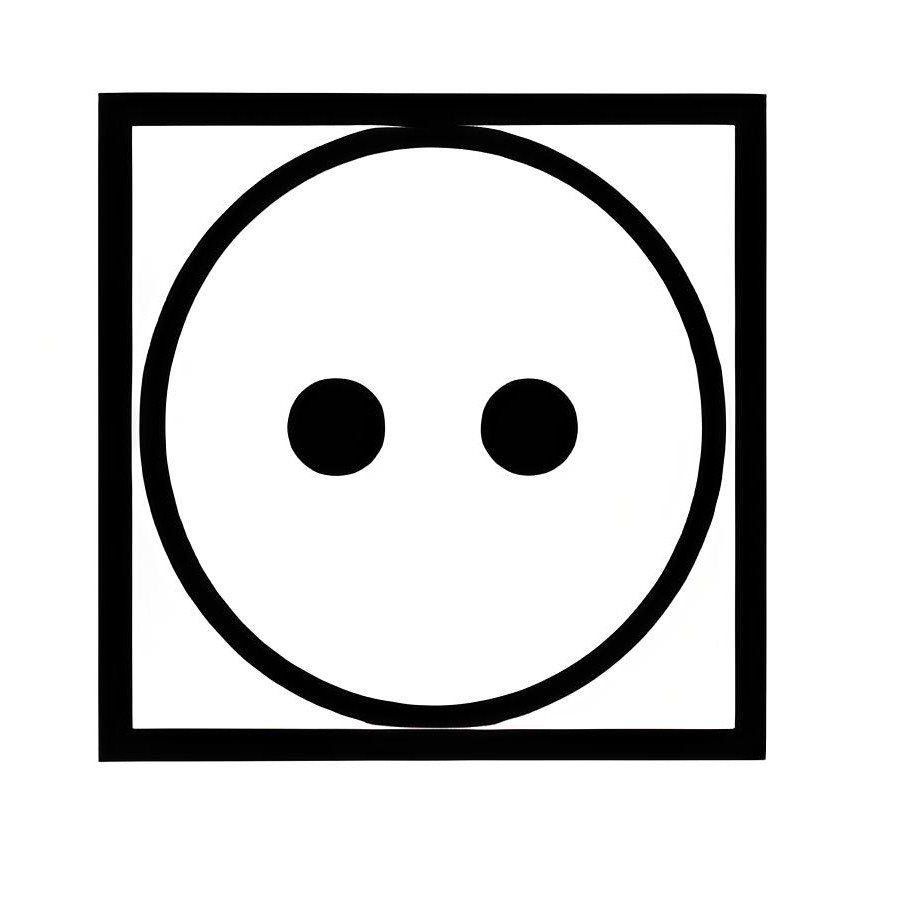
Tumble dry on low heat
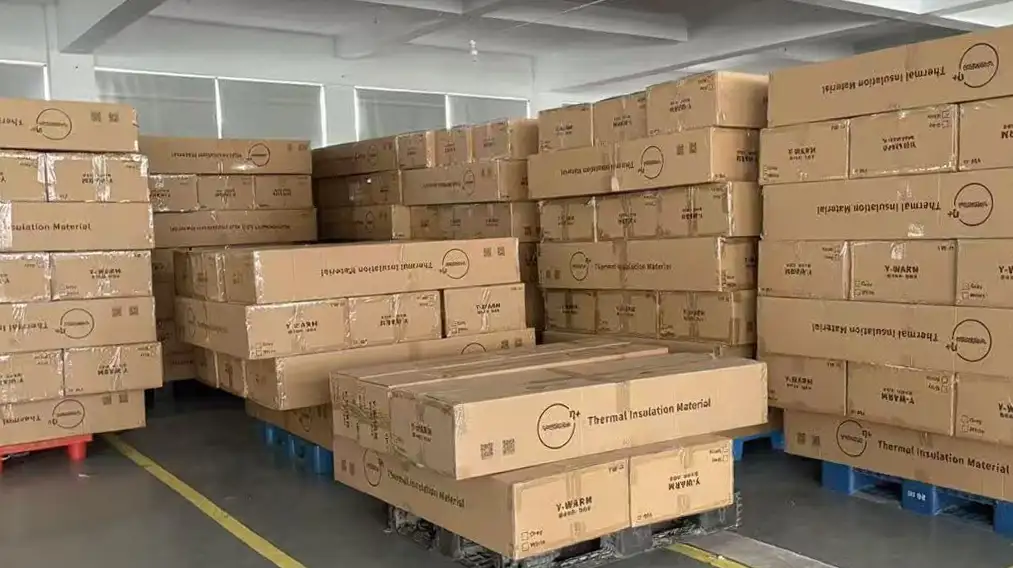
Material Storage: Store Y-Warm under the same conditions as standard textile materials.
Care of Finished Products: Follow the finished product’s care label and Y-Warm’s washing instructions. No additional care is required.
Service Life: When properly stored and kept structurally intact, Y-Warm maintains stable performance over time.
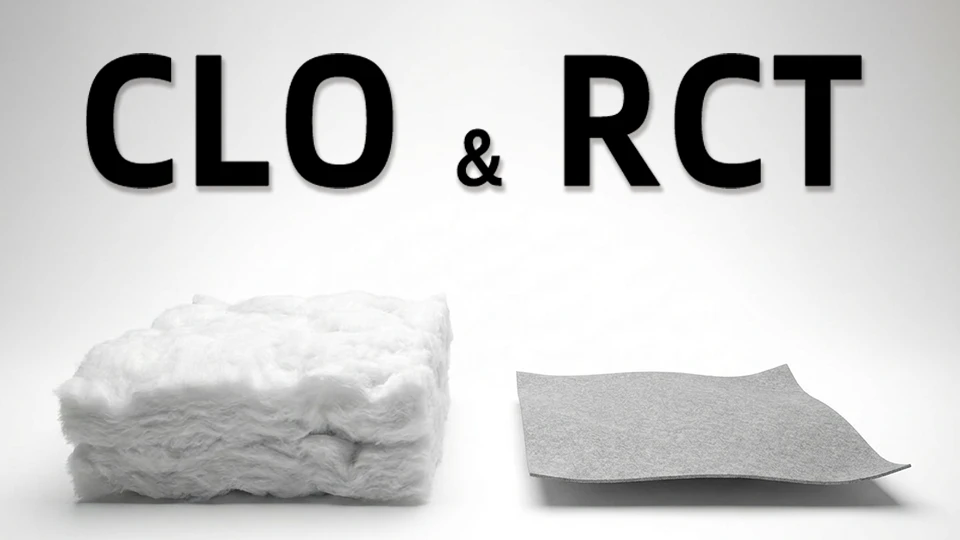
Rct and clo values provide standardized measures of thermal resistance and clothing insulation. However, these values are influenced by material thickness and do not always predict how different insulation materials will perform when worn. Based on our years of testing and product development, they have significant limitations when used to evaluate the practical warmth of ultra-thin Y-Warm.
To assess Y-Warm’s thermal performance in its intended application, we recommend making a prototype garment and conducting wear trials under the expected conditions of use.


