Advanced Thermal Insulation Technology

Y-Warm is a lightweight, flexible thermal insulation material based on a micron-scale closed-cell structure with nanoscale polymer walls, delivering extremely low thermal conductivity in an ultra-thin form.

This technology provides more efficient thermal insulation solutions for outdoor gear, construction, automotive, and other applications.

The Dimension of Insulation

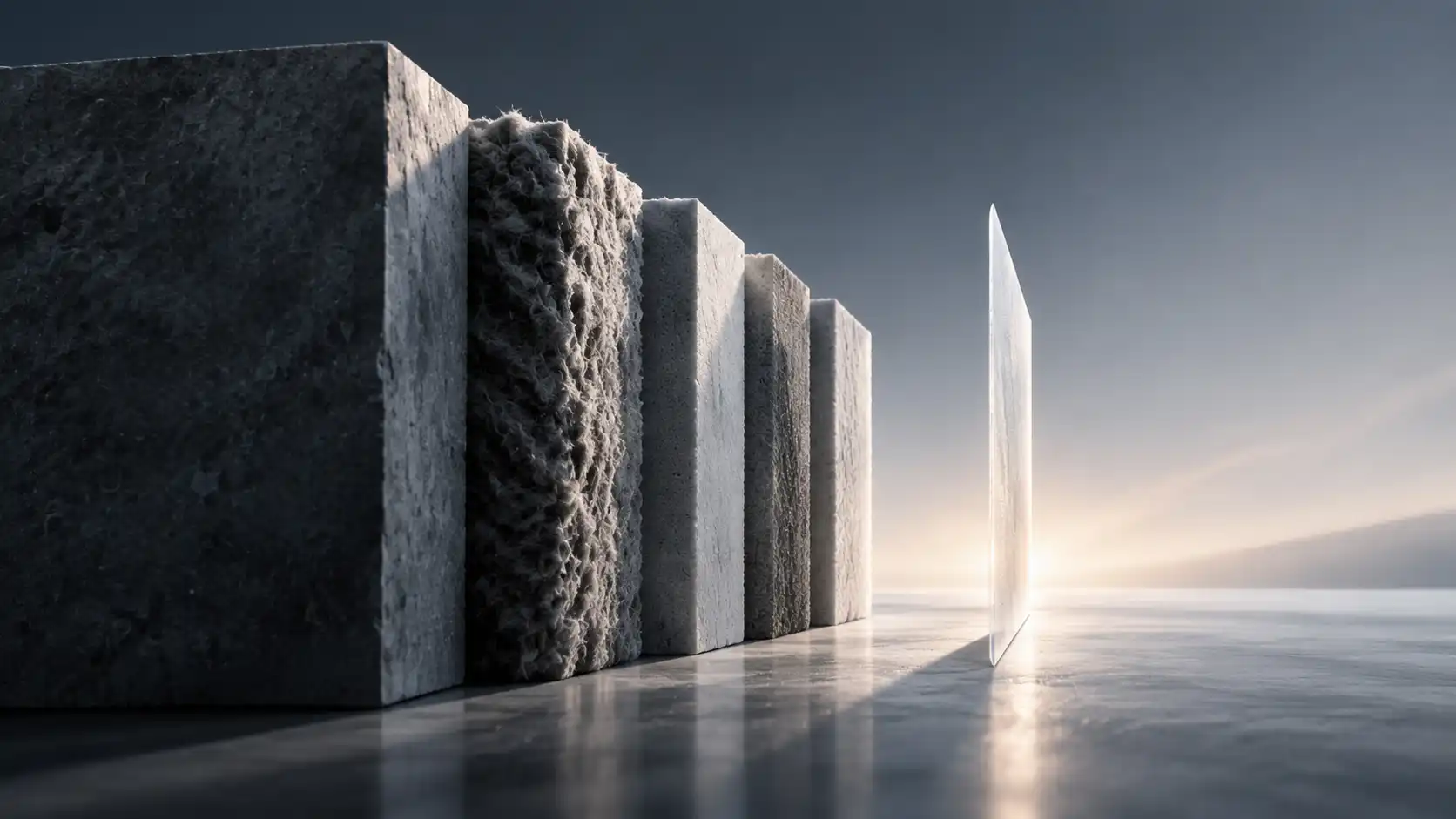
In traditional insulation solutions, thickness has long been one of the primary ways to increase thermal resistance.


But what happens when this convention is challenged?
Thermal Insulation for Curtains

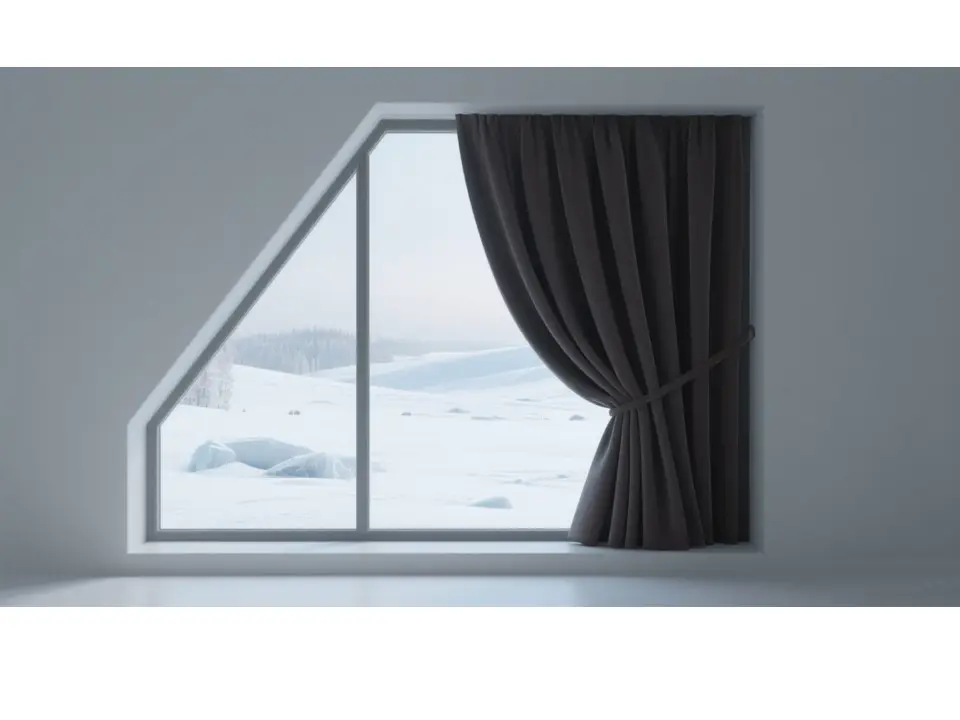
Y-Warm can be integrated into curtains as a thin, lightweight thermal insulation layer, helping reduce heat transfer through window areas while maintaining a lightweight curtain structure.


By limiting heat transfer between indoor and outdoor environments, thermally insulated curtains can also contribute to improved building energy efficiency.
Thermal Insulation for Comforters

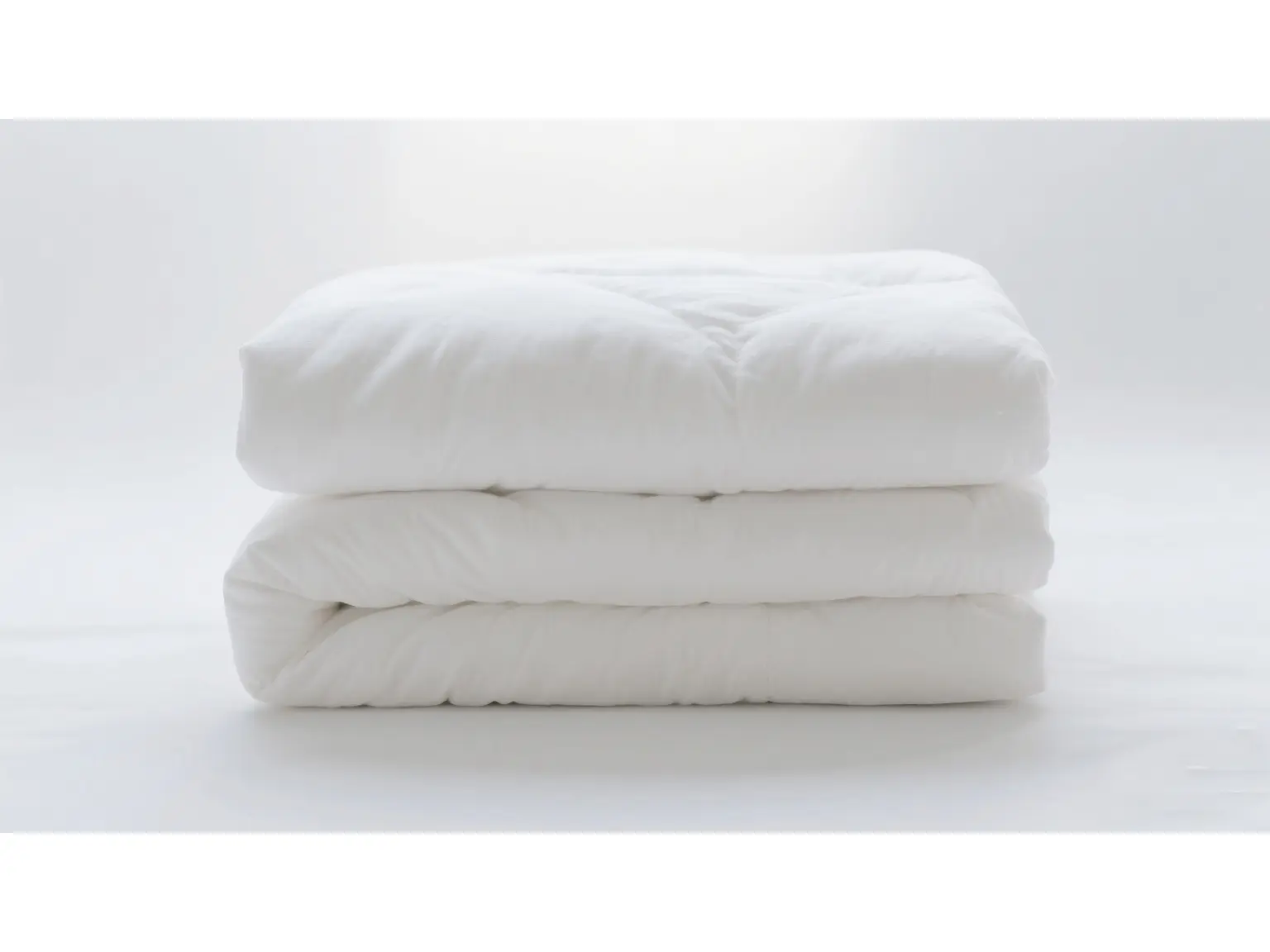
Y-Warm can be integrated into comforters as an ultra-thin thermal insulation layer, positioned between other textile layers to create a multilayer structure.


It helps reduce heat loss while allowing moisture vapor to pass through, enhancing warmth and sleeping comfort without adding excessive bulk.
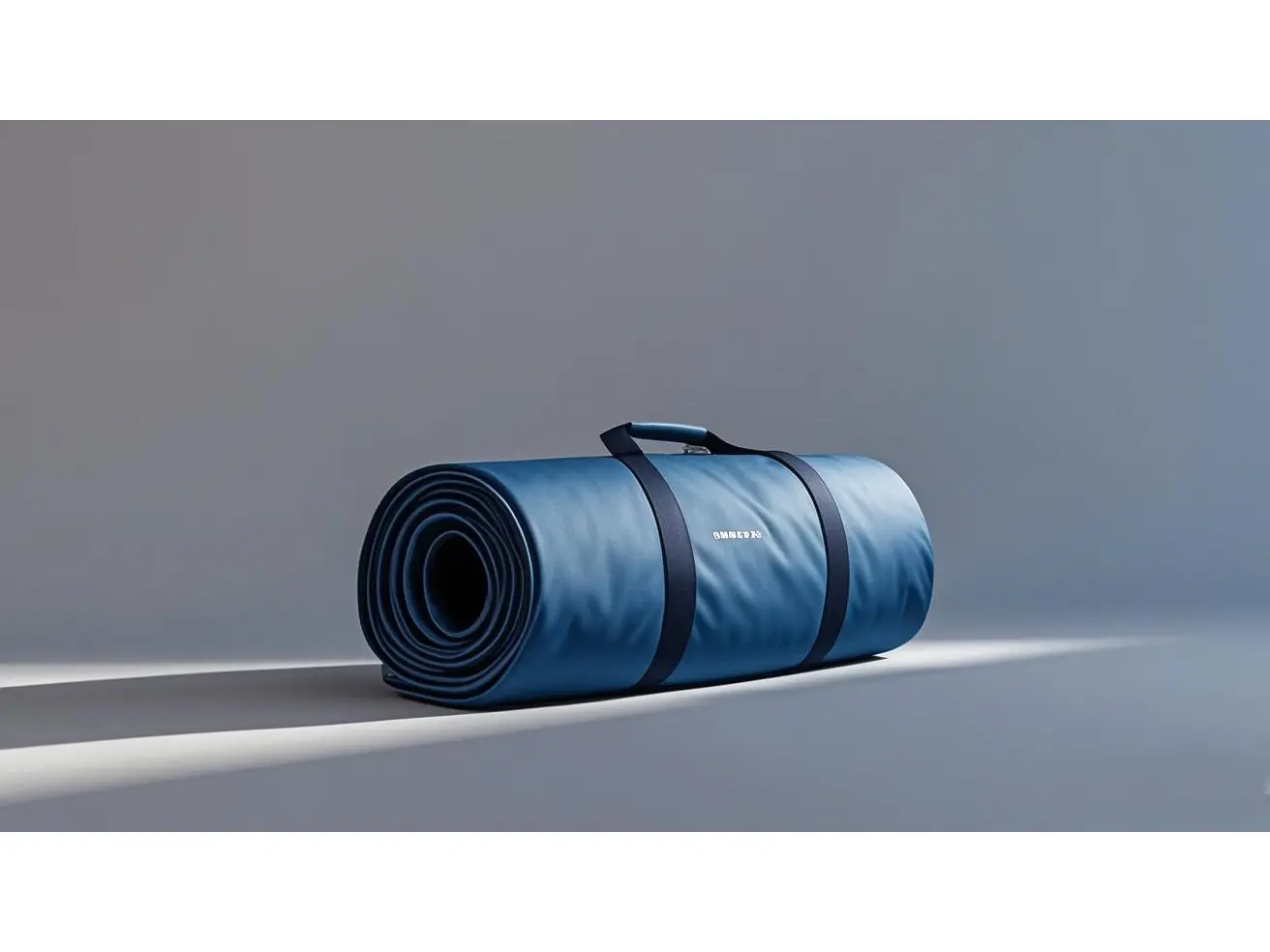
Thermal Insulation for Outdoor Gear

Y-Warm combines ultra-low thermal conductivity with a lightweight, flexible structure, providing high-performance thermal insulation for outdoor gear with minimal thickness and weight.


By reducing heat transfer without relying on bulky insulation, it enables lighter, more compact, and easier-to-carry outdoor equipment.
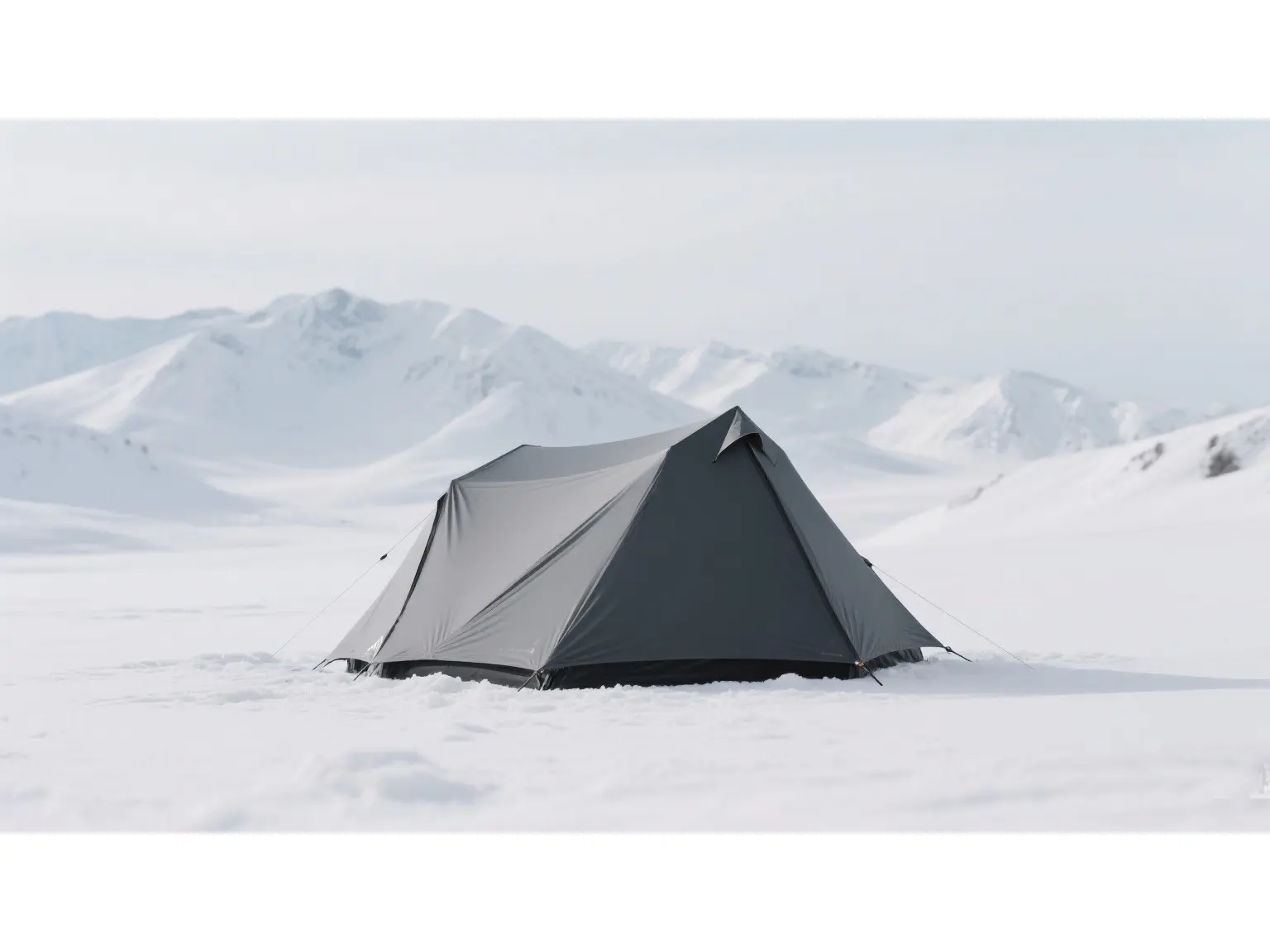
Thermal Insulation for Tents

Y-Warm provides high-performance thermal insulation with minimal thickness and weight, helping reduce heat transfer through tent structures without adding excessive bulk.


Its lightweight, flexible design allows insulated tents to remain more compact when packed and easier to transport.
Thermal Insulation for Building Interiors

Y-Warm can be integrated into interior building assemblies as a thin, lightweight thermal insulation layer, helping limit unwanted heat gain in summer and heat loss in winter.


By reducing heat transfer between indoor and outdoor environments, it can help improve indoor thermal comfort and contribute to greater building energy efficiency.

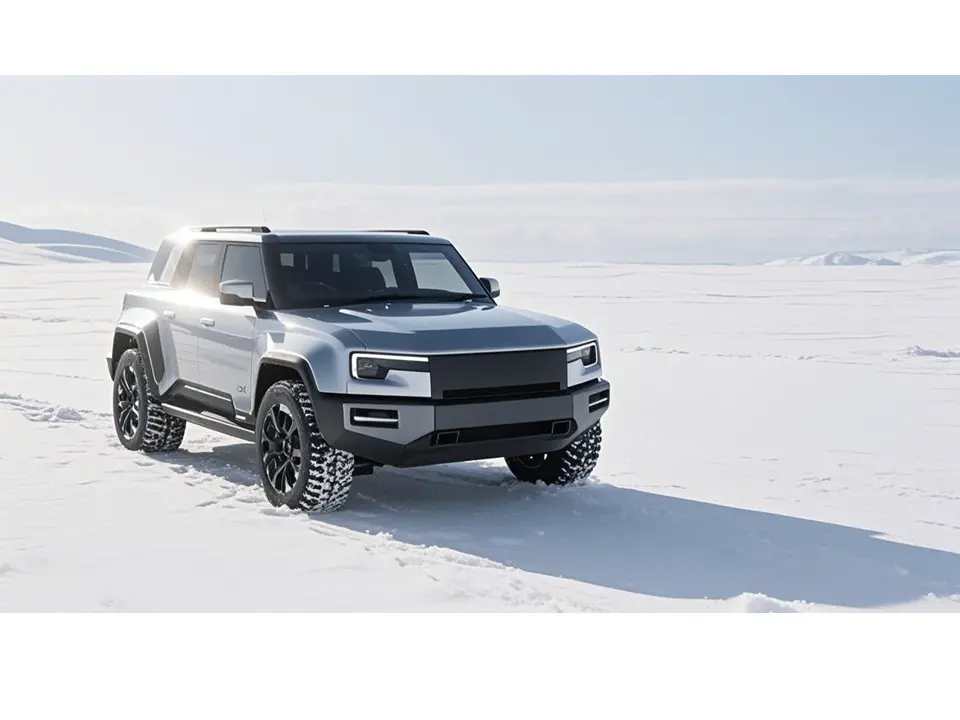
Automotive Thermal Insulation

Y-Warm can be integrated into vehicle interiors as a thin, lightweight thermal insulation layer, helping reduce heat transfer between the cabin and the external environment.


By limiting unwanted heat gain in hot conditions and heat loss in cold conditions, it can help improve cabin thermal comfort and contribute to more efficient thermal management.
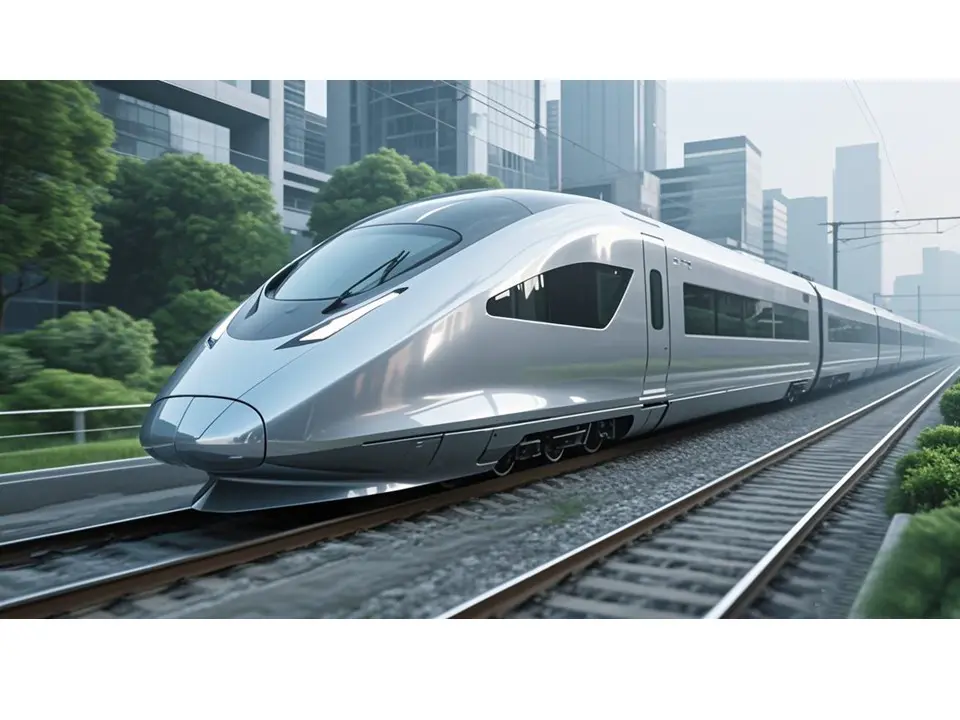
Railway Thermal Insulation

Y-Warm can be integrated into train carriages as a thin, lightweight thermal insulation layer, helping reduce heat transfer between the interior and external environment.


Its minimal thickness and weight can help improve passenger thermal comfort while preserving interior space and minimizing added weight.

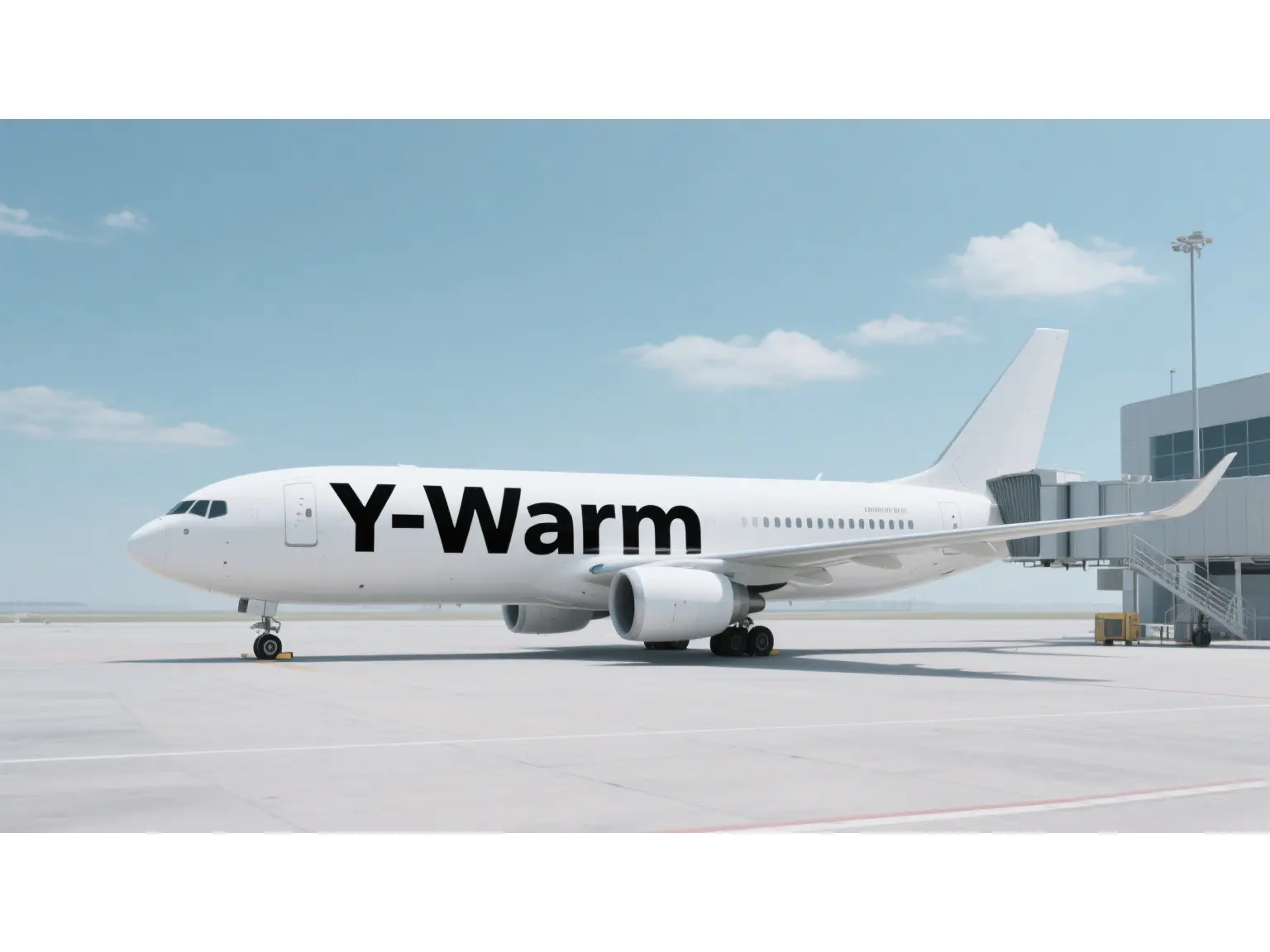
Aviation Thermal Insulation

Y-Warm can be integrated into aircraft cabins as a thin, lightweight thermal insulation layer, helping reduce heat transfer between the cabin and the external environment.


Its minimal thickness and weight can help improve passenger thermal comfort while preserving cabin space and minimizing added weight.
A New Horizon

The applications shown here are only the beginning.


When thermal insulation is no longer constrained by conventional thickness and weight, product design gains greater freedom in form and function.


Ideas once held back by conventional insulation technologies can now help shape the future.
Advanced Thermal Insulation Technology

Y-Warm is a lightweight, flexible thermal insulation material based on a micron-scale closed-cell structure with nanoscale polymer walls, delivering extremely low thermal conductivity in an ultra-thin form.

This technology provides more efficient thermal insulation solutions for outdoor gear, construction, automotive, and other applications.

The Dimension of Insulation

In traditional insulation solutions, thickness has long been one of the primary ways to increase thermal resistance.


But what happens when this convention is challenged?

Thermal Insulation for Curtains

Y-Warm can be integrated into curtains as a thin, lightweight thermal insulation layer, helping reduce heat transfer through window areas while maintaining a lightweight curtain structure.


By limiting heat transfer between indoor and outdoor environments, thermally insulated curtains can also contribute to improved building energy efficiency.

Thermal Insulation for Comforters

Y-Warm can be integrated into comforters as an ultra-thin thermal insulation layer, positioned between other textile layers to create a multilayer structure.


It helps reduce heat loss while allowing moisture vapor to pass through, enhancing warmth and sleeping comfort without adding excessive bulk.

Thermal Insulation for Outdoor Gear

Y-Warm combines ultra-low thermal conductivity with a lightweight, flexible structure, providing high-performance thermal insulation for outdoor gear with minimal thickness and weight.


By reducing heat transfer without relying on bulky insulation, it enables lighter, more compact, and easier-to-carry outdoor equipment.

Thermal Insulation for Tents

Y-Warm provides high-performance thermal insulation with minimal thickness and weight, helping reduce heat transfer through tent structures without adding excessive bulk.


Its lightweight, flexible design allows insulated tents to remain more compact when packed and easier to transport.

Thermal Insulation for Building Interiors

Y-Warm can be integrated into interior building assemblies as a thin, lightweight thermal insulation layer, helping limit unwanted heat gain in summer and heat loss in winter.


By reducing heat transfer between indoor and outdoor environments, it can help improve indoor thermal comfort and contribute to greater building energy efficiency.

Automotive Thermal Insulation

Y-Warm can be integrated into vehicle interiors as a thin, lightweight thermal insulation layer, helping reduce heat transfer between the cabin and the external environment.


By limiting unwanted heat gain in hot conditions and heat loss in cold conditions, it can help improve cabin thermal comfort and contribute to more efficient thermal management.

Railway Thermal Insulation

Y-Warm can be integrated into train carriages as a thin, lightweight thermal insulation layer, helping reduce heat transfer between the interior and external environment.


Its minimal thickness and weight can help improve passenger thermal comfort while preserving interior space and minimizing added weight.


Aviation Thermal Insulation

Y-Warm can be integrated into aircraft cabins as a thin, lightweight thermal insulation layer, helping reduce heat transfer between the cabin and the external environment.


Its minimal thickness and weight can help improve passenger thermal comfort while preserving cabin space and minimizing added weight.

A New Horizon

The applications shown here are only the beginning.


When thermal insulation is no longer constrained by conventional thickness and weight, product design gains greater freedom in form and function.


Ideas once held back by conventional insulation technologies can now help shape the future.

Innovation·Powers the better World

Request Sample

Statement

Copyright © 2021-2026 Y-Warm